Business Strategy
Jan 10, 2026
8 min read
The Hidden Cost of Managing Customers
Without a Unified System
Harbor Suite Team
Business Operations & Strategy

Many businesses still manage customers using disconnected tools, emails for communication, spreadsheets for tracking, separate systems for orders, inventory, and billing. While this may seem workable at first, it creates hidden costs that grow silently as the business scales.
A fragmented approach doesn’t just slow teams down; it weakens the entire customer’s journey.

Where Businesses Start Losing Control.
When customer data and operations are not connected, common challenges start to appear:
Information scattered across systems
Limited visibility into customer status
Manual follow-ups and task tracking
Delays between sales, fulfillment, and billing
Over time, this leads to inefficiencies that impact both revenue and customer trust.
Operational Gaps That Cost More Than You Think
Process leakage
Due to manual handoffs between teams
Inventory blind spots
That affect customer commitments
Order-to-cash delays
Caused by disconnected system gaps
Low sales productivity
Due to lack of activity visibility
Why Fragmented Systems Don't Scale
What works for a small team quickly breaks at scale:
Teams rely on individual knowledge instead of structured workflows
Growth demands more people instead of better systems
Decision-making becomes reactive instead of data-driven
Scaling without alignment leads to higher costs and lower operational efficiency.
The Shift Toward Unified Platforms
Modern businesses are moving toward platforms that
Modern businesses are moving toward platforms that
Modern businesses are moving toward platforms that
Automate routine tasks and data flow
Integrate seamlessly with existing enterprise systems
This approach brings structure, clarity, and accountability across teams.
Where Harbor Suite Fits In
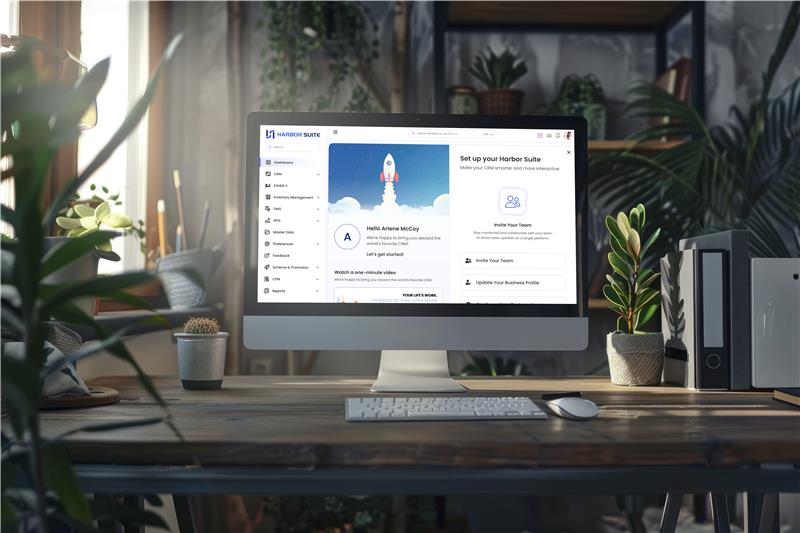
Harbor Suite is built for businesses that need more than basic customer tracking. It acts as a Central Operating Layer across the customer lifecycle from first interaction to ongoing engagement while staying flexible and scalable.
Fewer systems
Better visibility
Faster execution

The Real Business Impact
Businesses operating on a unified system experience
Smoother handoffs between teams
Improved customer confidence
Reduced operational friction
Predictable & scalable growth